
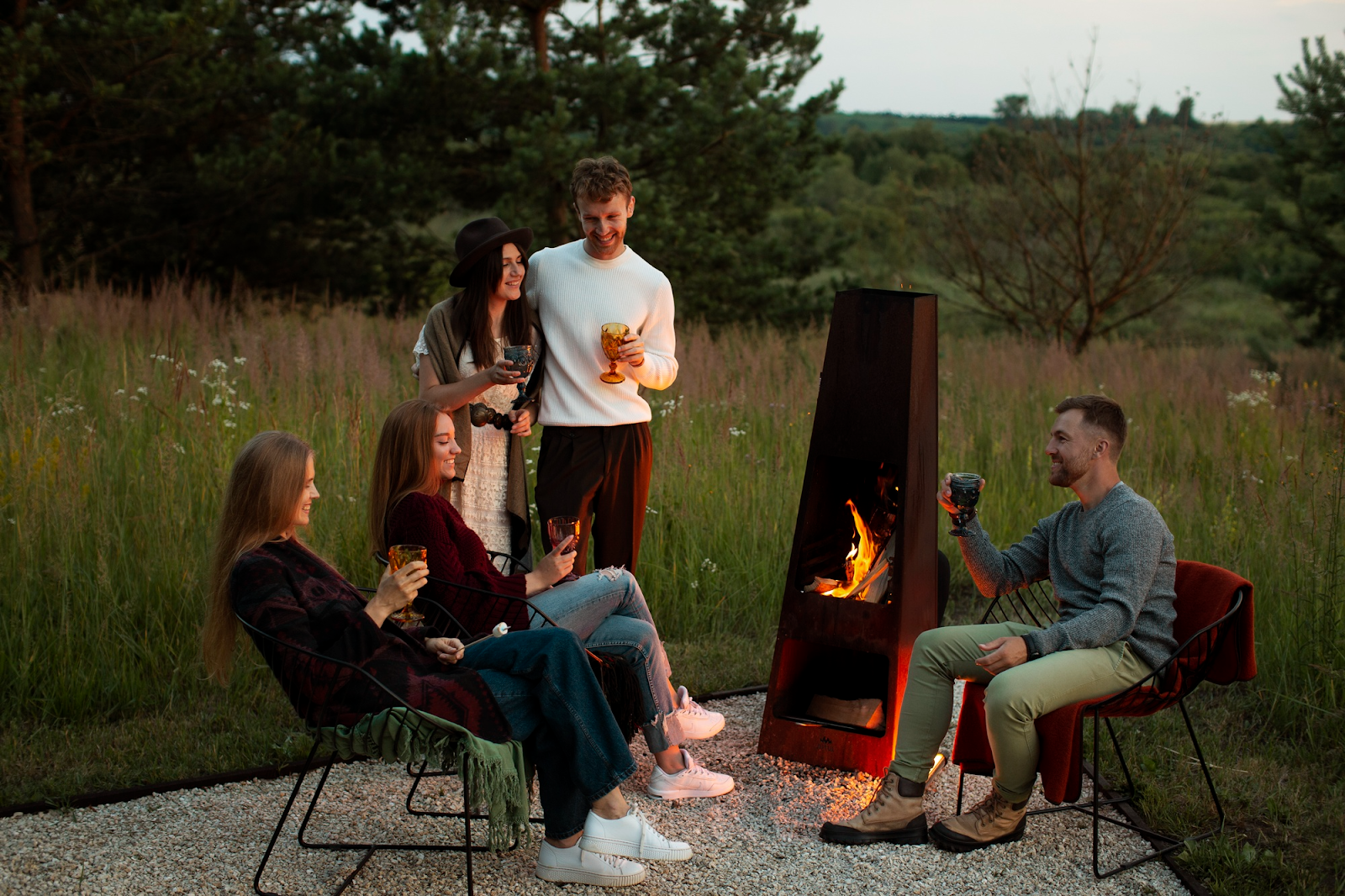
Glamping in the Smokies offers an exceptional way to enjoy nature while being mindful of environmental impacts. This unique form of outdoor accommodation combines the allure of camping with modern comforts, all set against the stunning backdrop of the Great Smoky Mountains. As more travelers seek eco-friendly options, glamping in the Smokies provides an excellent opportunity to promote conservation and sustainable practices.
1. Emphasis on Eco-Friendly Accommodations
One of the primary aspects of glamping in the Smokies is the focus on eco-friendly accommodations. Many glamping sites are constructed using sustainable materials and designed to have minimal impact on the environment.
For example, treehouse glamping options elevate guests above the forest floor, reducing land disturbances and preserving the natural habitat. By staying in these thoughtfully designed accommodations, visitors contribute to a lower carbon footprint, encouraging a shift toward more responsible tourism.
2. Encouraging Leave No Trace Principles
Traveling responsibly is an integral part of glamping in the Smokies. Many glamping operators emphasize Leave No Trace principles, which encourage guests to minimize their impact on the environment. This includes practices such as cleaning up after oneself, staying on marked trails, and respecting wildlife.
By adhering to these guidelines, glampers foster a culture of conservation that not only protects the stunning landscapes but also educates others on the importance of preserving nature for future generations.
3. Supporting Local Economies
Glamping in the Smokies often promotes sustainable travel by supporting local economies. Many glamping sites partner with local farms, artisans, and service providers, allowing visitors to experience the region’s unique culture and products.
From farm-to-table dining to locally crafted goods, glampers have the opportunity to engage with their surroundings while bolstering the local economy. This approach ensures that tourism benefits not just visitors but also the communities that host them.
4. Promoting Outdoor Education
Another significant benefit of glamping in the Smokies is that it often incorporates educational components about the environment. Many glamping sites offer guided tours, workshops, and nature activities that teach guests about the flora, fauna, and ecosystems of the Great Smoky Mountains.
These educational experiences help visitors understand the importance of conservation, fostering a deeper appreciation for the natural world. By raising awareness about ecological issues, glamping encourages responsible attitudes toward nature.
5. Connecting Guests with Nature
Glamping in the Smokies provides unique opportunities to connect with nature on a deeper level. Unlike traditional hotels, glamping accommodations are often situated in serene, natural settings, allowing for a more immersive outdoor experience.
Guests can participate in activities such as hiking, stargazing, or simply relaxing on their private porches while listening to the sounds of wildlife. This connection to the land fosters a greater appreciation for the environment and inspires guests to advocate for its preservation even after their stay.
Conclusion
In conclusion, glamping in the Smokies serves as a model for promoting conservation and sustainable travel. By focusing on eco-friendly accommodations, encouraging responsible practices, supporting local economies, emphasizing outdoor education, and fostering connections with nature, glamping creates a unique experience that aligns with environmentally conscious values.
As travelers continue to seek ways to enjoy the great outdoors responsibly, glamping in the Smokies stands out as an excellent option that prioritizes both comfort and conservation. Embrace this sustainable adventure and be part of a growing movement that values both the thrill of nature and the importance of protecting it.